What’s the Easiest Way to Start Strength Training?

A Beginner’s Guide to Building Strength, Improving Health, and Boosting Fitness
Introduction: Why Strength Training Is One of the Best Things You Can Do for Your Body
Imagine if there were one habit you could build that would improve your mood, sharpen cognition, increase daily energy, and significantly reduce your risk of chronic disease.
It’s not a supplement.It’s not a prescription.It’s strength training.
Strength training is one of the most powerful and scientifically supported ways to improve overall fitness, longevity, and quality of life. Whether your goal is fat loss, muscle gain, injury prevention, or simply moving better as you age, resistance training plays a foundational role.
If you’re brand new to lifting weights or structured exercise, the process can feel overwhelming. The good news? It doesn’t have to be complicated.
In this guide, we’ll break down the science, simplify the process, and outline the easiest, safest way to begin strength training—so you can build a routine that supports your long-term health and performance.

The Science-Backed Benefits of Strength Training
Strength training offers far more than aesthetic improvements. Research continues to reveal systemic benefits affecting nearly every organ system.
1. Reduced Risk of Chronic Disease
Multiple large-scale studies link resistance training to lower risk of:
Cardiovascular disease
Type 2 diabetes
Certain cancers
Metabolic syndrome
All-cause mortality
Strength training improves insulin sensitivity, reduces visceral fat, lowers systemic inflammation, and enhances vascular function—key drivers of chronic illness.
If your goal is long-term health, strength training is one of the most effective interventions available.
2. Slower Biological Aging
Emerging research suggests resistance training may slow biological aging—the rate at which your cells and tissues deteriorate.
Strength training has been associated with:
Improved mitochondrial function
Reduced cellular senescence
Enhanced DNA repair
In simple terms: your body may function “younger” for longer.
3. Improved Metabolic Health
Strength training significantly improves metabolic markers, including:
Blood pressure
LDL and HDL cholesterol
Triglycerides
Body fat percentage
Fasting blood glucose
Because muscle tissue is metabolically active, increasing lean mass improves how efficiently your body regulates energy—even at rest.
4. Cognitive and Mental Health Benefits
Resistance exercise benefits the brain as much as the body.
Research shows it can:
Improve executive function
Enhance memory
Reduce anxiety and depression symptoms
Increase confidence and self-efficacy
These effects are linked to increased brain-derived neurotrophic factor (BDNF), improved cerebral blood flow, and neurotransmitter balance.
Step 1: Prioritize Safety First
The biggest beginner mistake is doing too much too soon.
Strength training is extremely safe when programmed correctly—but poor technique and excessive loading increase injury risk.
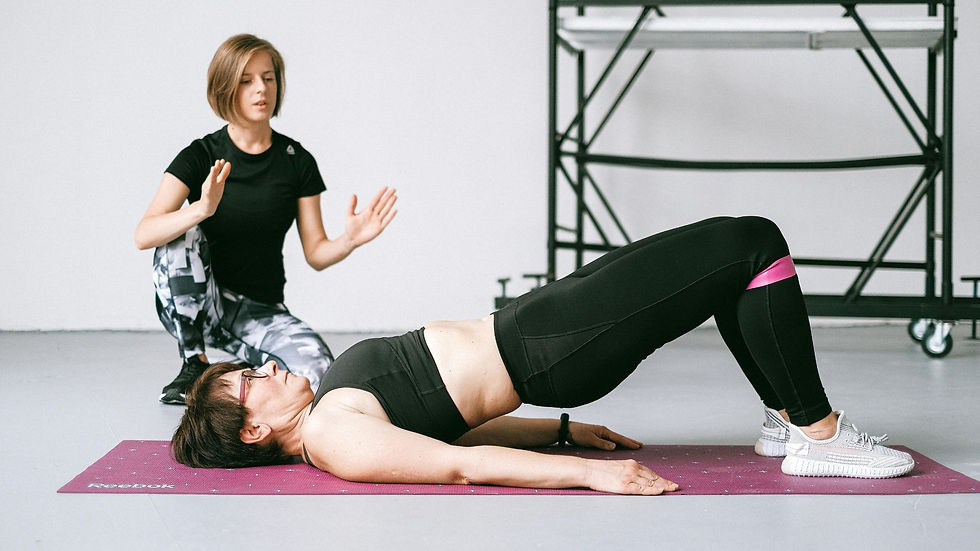
This is where working with qualified professionals can make a major difference.
Learn more about my approach to safe, results-driven coaching here: https://www.chapelhillpersonaltrainer.com/about-personal-trainer-chapel-hill.
Certified personal trainers help you:
Learn proper form
Build structured programs
Reduce injury risk
Progress safely
Stay accountable
Even a short onboarding phase with a personal trainer can create a foundation that lasts years.
Step 2: Build a Personalized Strength Training Routine
There is no universal program that fits everyone.
Your routine should reflect:
Current fitness level
Injury history
Mobility restrictions
Goals
Schedule
Equipment access
See how I customize programs here: https://www.chapelhillpersonaltrainer.com/
A personalized plan ensures your exercise selection, volume, and intensity align with your body—not someone else’s.
Bodyweight vs. Weight Training: Where Should You Start?
Both are effective. The key is progressive challenge.
Bodyweight Training
Examples include:
Squats
Push-ups
Lunges
Planks
Step-ups
Glute bridges
Benefits:
Beginner-friendly
Low cost
Joint-friendly
Builds movement competency
Weight Training
Involves external resistance such as:
Machines
Dumbbells
Barbells
Kettlebells
Bands
Research shows strength gains occur across a wide range of loads—as long as the muscle is challenged close to fatigue.
So yes—you can build strength with lighter weights if effort is high enough.

Machines vs. Free Weights
Beginners often benefit from starting with machines.
Machine Advantages
Guided movement paths
Lower stabilization demands
Reduced injury risk
Easier load adjustments
Free Weight Advantages
Greater muscle activation
Core engagement
Functional carryover
Coordination development
Most personal training progressions move from machines → dumbbells → barbells.
Step 3: Follow a Simple Beginner Structure
You don’t need advanced programming to start.
A simple split works extremely well.
The “3 Sets of 10” Foundation
Three sets of 10 reps balances:
Strength development
Muscular endurance
Skill practice
Example Weekly Split
Day 1 — Upper Push
Chest
Shoulders
Triceps
Day 2 — Lower Body
Quads
Hamstrings
Glutes
Calves
Day 3 — Upper Pull + Core
Back
Biceps
Abdominals
This allows muscle groups to recover between sessions.
Step 4: Respect Recovery
Muscle growth happens after training—not during it.
Strength training creates microscopic muscle damage. The repair process strengthens tissue and increases resilience.
Beginner Recovery Guidelines
48 hours between muscle groups
7–9 hours sleep
Adequate protein intake
Hydration
If your muscles are sore, read my guide on when you should workout next here: https://www.chapelhillpersonaltrainer.com/post/should-you-work-out-if-your-muscles-are-sore
Recovery is where progress actually occurs.
Step 5: Start Slow and Progress Gradually
The key principle of strength training is progressive overload—gradually increasing demand.
Safe progression includes increasing:
Weight
Reps
Sets
Tempo
Frequency
A simple rule:
If you can complete 3 × 10 easily with perfect form, increase resistance slightly.
Step 6: Warm Up Properly
A proper warm-up prepares your body neurologically and physiologically.
Benefits include:
Increased muscle temperature
Improved joint lubrication
Faster nerve signaling
Better mobility
Simple Warm-Up (5–10 Minutes)
Light cardio
Dynamic mobility
Practice sets
Example:
Bodyweight squats → Loaded squats
Band rows → Dumbbell rows
Warm muscles are more force-producing and less injury-prone.
Step 7: Avoid Overtraining Early
More is not better—especially at the beginning.
Doing too much too soon increases risk of:
Tendonitis
Muscle strains
Joint irritation
Rhabdomyolysis (extreme muscle breakdown)
While rare, rhabdomyolysis can occur when untrained individuals perform excessive high-intensity exercise.
Gradual progression prevents this.
Step 8: Learn to Listen to Your Body
Understanding effort vs. pain is critical.
Normal Responses
Muscle fatigue
Burning sensation
Next-day soreness
Delayed Onset Muscle Soreness (DOMS) peaks 24–72 hours post-workout and reflects adaptation.
Warning Signs
Sharp pain
Joint pain
Immediate pain during reps
Tingling or numbness
If something hurts—stop and modify.
If you're experiencing knee pain, read this article: https://www.chapelhillpersonaltrainer.com/post/understanding-knee-pain-causes-treatments-and-exercises-that-can-help

Strength Training Benefits for Women
Strength training was once male-dominated—but participation among women has risen dramatically.
And the benefits are especially important.
Bone Density and Osteoporosis Prevention
Women face higher risk of:
Osteopenia
Osteoporosis
Hip fractures
Resistance training stimulates bone growth via mechanical loading, increasing bone mineral density.
Hormonal and Metabolic Health
Strength training helps regulate:
Insulin sensitivity
Body composition
Resting metabolism
It also combats sarcopenia—age-related muscle loss beginning as early as the 30s.
Myth: “Lifting Makes Women Bulky”
Significant hypertrophy requires:
High testosterone
Caloric surplus
High training volume
Most women develop:
Lean muscle tone
Improved posture
Higher strength
Lower body fat
Combine Strength Training With Other Exercise
A complete fitness routine includes multiple modalities.
Cardiovascular Training
Supports:
Heart health
VO₂ max
Circulation
Recovery
Mobility Training
Improves:
Range of motion
Injury resilience
Movement efficiency
Balance & Coordination
Enhances:
Joint stability
Fall prevention
Athletic performance
What Results Should You Expect?
Strength training is a long-term investment.
2–6 Weeks
Neural adaptations
Coordination improvements
Early strength gains
6–12 Weeks
Muscle development
Fat loss
Posture changes
6–12+ Months
Major body composition shifts
Bone density increases
Metabolic improvements
Consistency beats intensity.
The Simplest Way to Start Today
If you want the easiest entry point:
Train 2–3 days per weekFull-body workouts5–6 exercises per session
Example:
Squat
Push-up or chest press
Row
Hip hinge
Shoulder press
Core exercise
Perform 3 × 8–12 reps each.
Simple. Effective. Sustainable.
Final Thoughts: Strength Training Is a Lifelong Investment in Health
Strength training improves:
Longevity
Metabolic health
Bone density
Injury resilience
Confidence
Daily function
You don’t need perfect programming.
You need:
Smart progressions
Good technique
Consistency
Whether you begin independently or with guidance from experienced personal trainers, the most important step is starting.
Ready to begin? Fill out the contact sheet here: https://www.chapelhillpersonaltrainer.com/contact-personal-trainer-chapel-hill
Because when it comes to building strength, improving health, and transforming your fitness—
The secret isn’t complexity.
It’s commitment over time.
Workouts & Fitness Tips @justinrothpt


Comments