Personal Training for Older Adults in Chapel Hill: Building Strength Safely After 60
Strength training after 60 isn't about chasing personal records — it's about protecting your independence. Every squat, every push, every balance drill you do in your 60s, 70s, and beyond directly affects how easily you get up from a chair, carry groceries, catch yourself if you stumble, or keep up with grandkids. That's why more Chapel Hill adults are looking for a personal trainer in Chapel Hill who specializes in working with older clients, rather than a generic gym membership or a class designed for 25-year-olds.
As a Chapel Hill personal trainer and Corrective Exercise Specialist who works extensively with older adults, I want to walk through what safe, effective strength training actually looks like at this stage of life — and why the right kind of guidance matters more than ever.
Why Strength Training Matters More After 60
Starting in your 30s, the body naturally loses muscle mass and bone density each year, a process that accelerates with age. Left unaddressed, this shows up as slower walking speed, increased fall risk, and a gradual loss of the strength needed for everyday tasks like standing up from a couch or climbing stairs.

The encouraging news is that this process is highly responsive to resistance training. Consistent strength work, done properly, can rebuild muscle, support bone density, and meaningfully reduce fall risk — at any age you start.
Why "Properly" Is the Key Word
This is where a lot of well-intentioned exercise plans go wrong. Older adults often have a longer history of joint wear, past injuries, surgeries, or conditions like osteoporosis, arthritis, or balance disorders. A workout that's appropriate for a 30-year-old with no injury history can be the wrong choice for a 65-year-old with a hip replacement or a bad shoulder.

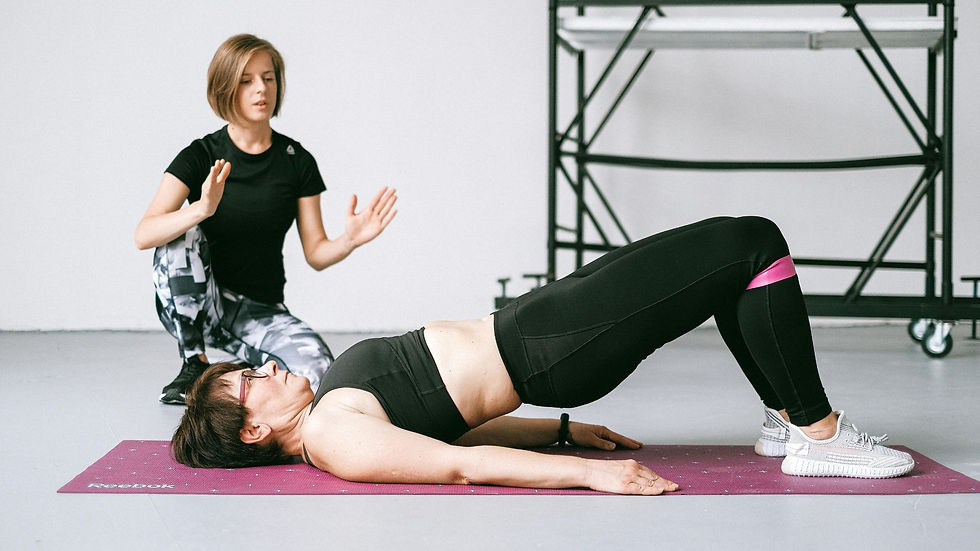
This is exactly why individualized personal training tends to outperform group classes or generic programs for this population. In every session, I'm assessing how your joints are moving, adjusting exercises around any pain or past injury, and progressing your program at a pace that builds strength without unnecessary risk.
What a Personal Training Session Actually Looks Like
A typical program for an older adult client in my Southern Village studio includes a mix of:
Strength training — using bodyweight, dumbbells, resistance bands, or machines to build and maintain muscle in the major movement patterns (squatting, hinging, pushing, pulling, carrying).
Balance work — targeted drills to reduce fall risk, often one of the biggest concerns I hear from clients and their families.
Mobility and joint care — maintaining the range of motion needed for daily life, and working around problem areas rather than aggravating them.
Cardiovascular conditioning — at an intensity appropriate to the individual, to support heart health and stamina.

Every plan is different because every client's joint history, medications, energy levels, and goals are different. Some clients are training to stay ahead of a diagnosis like osteoporosis. Others are recovering confidence after a fall. Others simply want to keep doing the things they love — golf, gardening, travel, chasing grandchildren — for as long as possible.
Training Around Injuries and Health Conditions
A significant part of my work with older clients involves training safely alongside existing conditions rather than in spite of them. That means understanding precautions after a joint replacement, adjusting programming for someone with spinal issues, or modifying movements for a client managing arthritis pain. It also means staying in communication with a client's physical therapist or physician when appropriate, so the exercise plan supports — rather than conflicts with — any medical guidance already in place.
This is a very different experience than showing up to a class and being handed the same workout as everyone else in the room.
The Case for One-on-One Attention
In a group setting, there's no way for an instructor to catch every compensation pattern or adjust a movement in real time for one specific person. In one-on-one training, that's the entire point. I'm watching your form on every rep, correcting small issues before they become bigger problems, and building your confidence in movements you may have been avoiding out of fear of getting hurt.
For many older adults, that confidence is just as valuable as the physical strength itself.
Ready to Get Started?
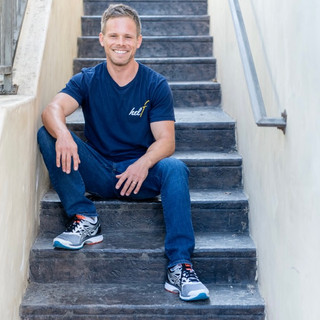
I'm Justin Roth, a certified personal trainer in Chapel Hill with over 22 years of experience working with a wide range of clients, including older adults and those managing injuries or post-surgical precautions. My private, in-home gym is located in the Southern Village neighborhood of Chapel Hill (27516), and I also offer home-visit training for clients who prefer to train in their own space.
Schedule your free consultation today and let's build a plan that helps you stay strong, mobile, and independent for years to come!


Comments